

From seating on kerosene drums to world-class multiplexes, UAE cinema history mirrors the country’s own growth, resilience, and ambition.
United Arab Emirates steps into its 54th National Day on December 2, 2025, now celebrated as Eid Al Etihad. It is one of the most celebrated days in the country as communities across all seven emirates come together to honour the union that shaped the nation. On this auspicious occasion, let’s reflect on the UAE cinema history through the years. What began as simple outdoor screenings decades ago, has grown into one of the region’s most dynamic and influential entertainment landscapes. Today, with 702 screens across 72 locations nationwide, the country has firmly established itself as a major cinema market, deeply woven into the social fabric of its people.
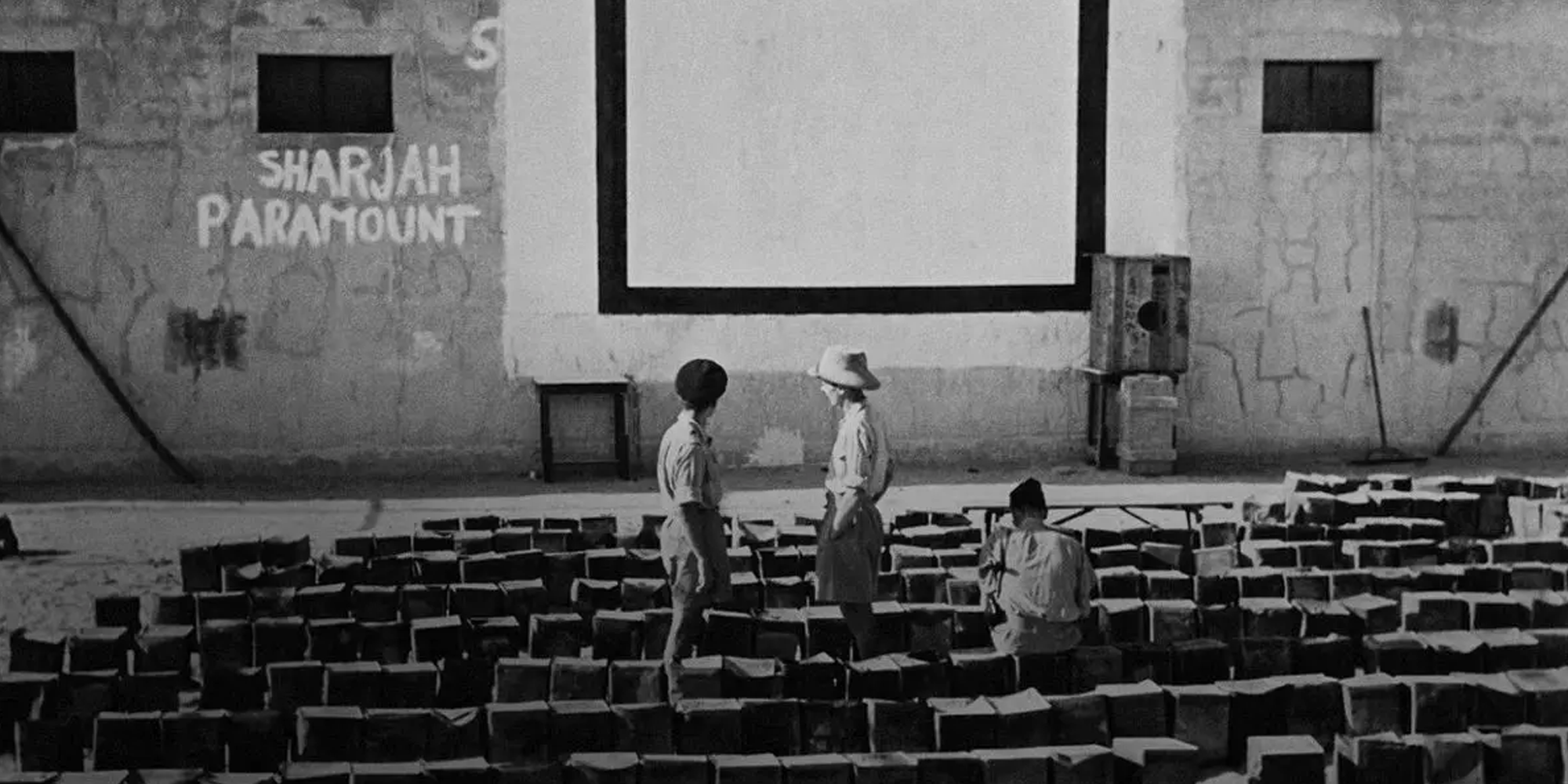
Sharjah Paramount
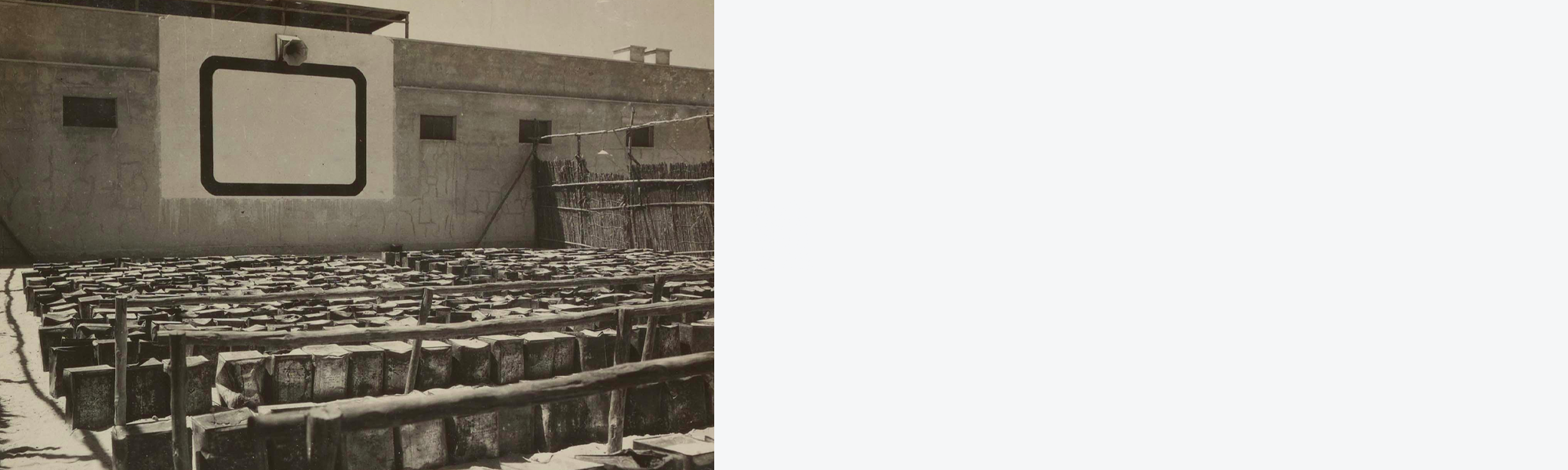
The roots of UAE cinema history stretch back to the mid-20th century, when movie nights were held under the open sky. One of the earliest venues, Sharjah Paramount, opened around 1945, welcoming audiences seated on sand-filled kerosene drums and screening both feature films and documentaries. In 1953, Dubai’s Al Watan Cinema (National Cinema) opened in Nasser Square (now Baniyas Square), attracting a mix of local and expatriate audiences eager for Indian, Egyptian, Lebanese, British, and American films. By the 1960s and 1970s, cinema had become a regular part of life in the emirates, with standalone theatres emerging in urban centres, reflecting the nation’s expanding cultural outlook and appetite for global storytelling.
Al Nasr Cinema
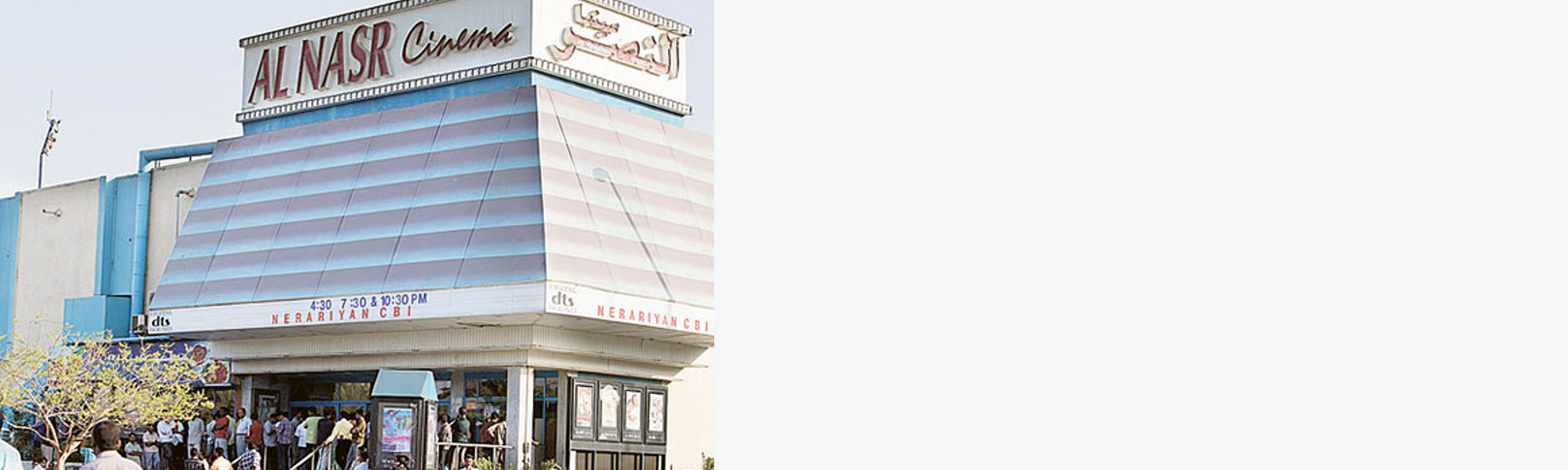
From the 1960s through the 1990s, independently run cinemas thrived across the UAE before the multiplex model became dominant. Abu Dhabi hosted Al Firdous Cinema, Al Maria Cinema, and El Dorado — the city’s first twin-screen cinema in 1970. Sharjah had Haroon Cinema, Concorde Cinema, and Al Hamra Cinema, while Khorfakkan opened the modernist Khorfakkan Cinema in 1978. Dubai saw the rise of Strand Cinema, Dubai Cinema, Deira Cinema, and Rex Cinema, which doubled as the city’s first drive-in on Khawaneej Road (now the site of Etihad Mall). Al Nasr Cinema in Oud Metha became a local landmark, closing in 2006. The complex later caught fire in 2008.
El Dorado

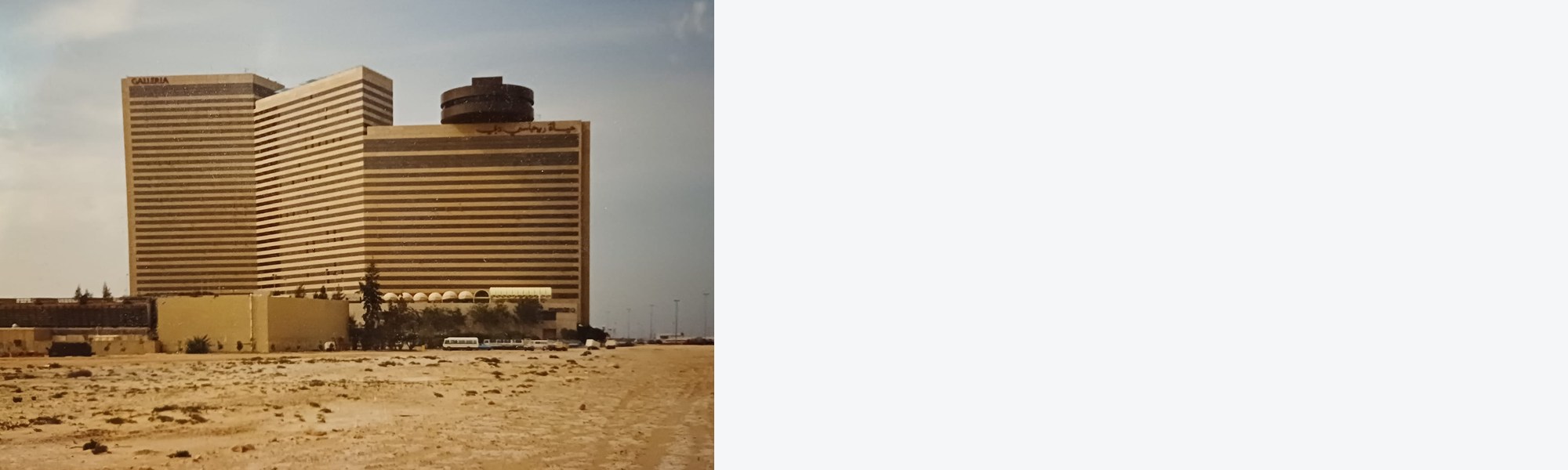
The cinematic landscape continued evolving into the 1980s with new additions like Galleria Cinema in the Hyatt Regency Galleria residential complex. Across these decades, UAE theaters primarily screened Indian films, English-language titles from the UK and US, and occasionally Arabic films from Egypt and Lebanon, including classics such as Antar Wa Abla (1945), Dosti (1964), The Godfather (1972), and Play It Again, Sam (1972). Today, most of these standalone cinemas have been demolished or repurposed, yet their legacy remain an integral part of the UAE’s rich film history.
Galleria Cinema, Hyatt Regency
A defining shift arrived in the late 1990s as rapid urban development and mall culture reshaped leisure across the Emirates. Brand new malls like Deira City Centre (1995), Mercato (2005), Mall of the Emirates (2005), and Dubai Mall (2008) came up. Multiplexes inside malls began replacing standalone theatres, offering advanced projection, superior sound and a more premium moviegoing experience.
CineStar (now VOX Cinemas)
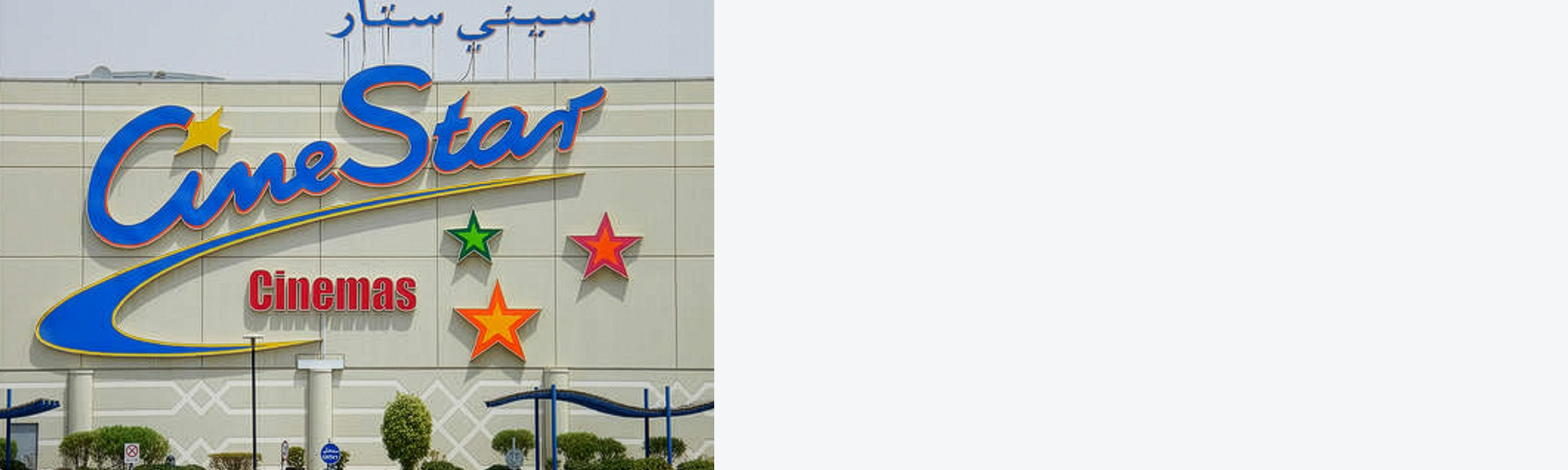
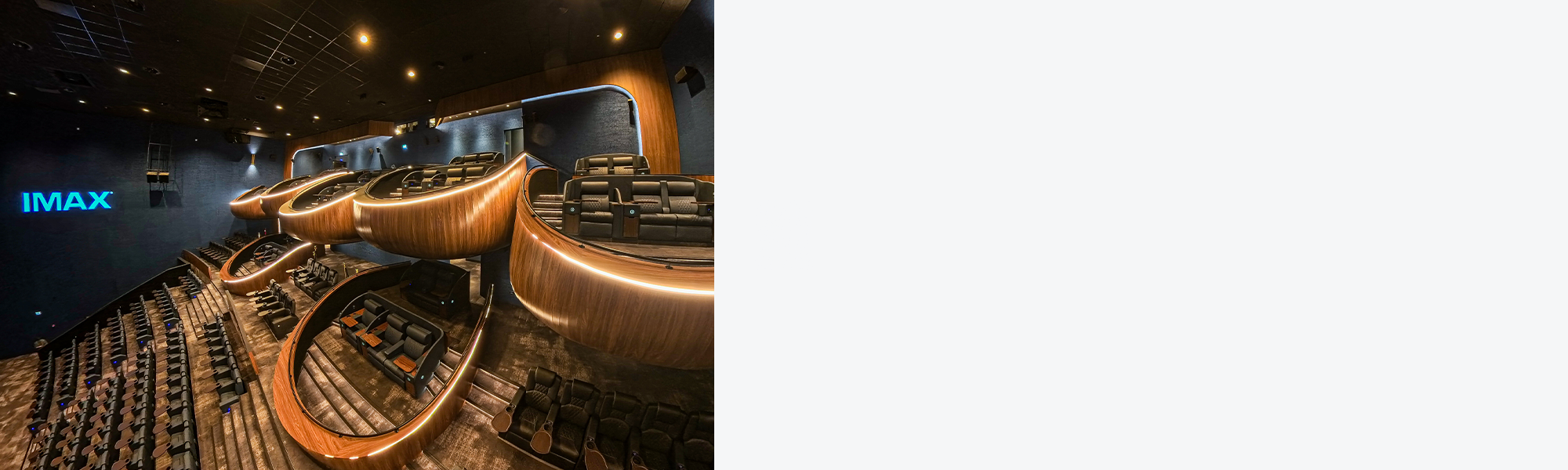
IMAX entered the UAE in the mid-2000s, gradually growing across the emirates and reinforcing the country’s appetite for larger-than-life, immersive formats. CineStar (now VOX Cinemas), founded in 1999, played a central role in the evolution, steadily introducing high-end formats that elevated the local cinema landscape. Through the 2000s and 2010s, VOX expanded with IMAX with Laser, 4DX, GOLD luxury auditoriums, KIDS screens and THEATRE by Rhodes, combining technology with hospitality to create diverse experiences for different audiences. In 2025, VOX took its vision even further with the launch of the world’s first IMAX auditorium featuring Ōma Cinema-style pod seating at Mall of the Emirates. Designed as elevated platforms inspired by opera-house balconies, the pods accommodate small groups in semi-private spaces with reclining chairs, gourmet dining and personalised service. Combined with IMAX’s 4K Laser projection and next-generation sound system, the new setup represents a major leap in experiential moviegoing and reinforces the UAE’s position as an early adopter of global cinema innovation. Other major players such as Reel Cinemas, CinemaCity, Royal Cinemas and Cinepolis also contributed to this transformation, bringing their own premium and family-friendly formats to audiences across the emirates.
IMAX Pods at VOX
The industry then faced a major challenge during the COVID-19 pandemic in 2020, when cinemas temporarily closed before reopening under strict safety measures such as reduced capacities, enhanced sanitisation, contactless ticketing and spaced seating. Despite the disruption, exhibitors adapted quickly, focusing on visitor safety, private bookings and flexible programming to encourage audiences back into theatres. This period accelerated operational innovation and strengthened the industry’s resilience, setting the stage for the strong recovery and rapid growth the UAE cinema market would experience in the years that followed.
In 2024, IMAX Corporation announced major expansion plans across the UAE and Saudi Arabia, underscoring the region’s growing demand for premium cinema experiences. This momentum is reflected in the UAE’s strong box office performance, where the country now accounts for roughly 30% of the Middle East’s total box office revenue. Between January and August 2024 alone, cinemas across the Emirates generated AED 517 million and welcomed approximately 11 million moviegoers.
The full-year numbers underscore even greater achievement. UAE cinema revenue soared to AED 800 million in 2024, supported by the screening of 1,262 films and more than 15 million tickets sold. Exhibitors continued to diversify their offerings, from luxury VIP formats to Arabic-language titles and sensory-friendly screenings designed for inclusivity. The UAE also grew into a preferred location for red-carpet premieres, regional launches, and international film festivals, strengthening its presence on the global entertainment map.
Government initiatives have played a critical role in sustaining this upward trajectory. Support for local productions, investment in creative talent, and incentives for foreign filmmakers have all contributed to a thriving ecosystem. These developments align closely with the cultural ambitions of the UAE’s Vision 2031 plan, which emphasizes innovation, creative industries, and international collaboration.
UAE cinema history is not simply a story of economic success. It reflects a nation that values storytelling, cultural exchange, and community experiences. As the UAE celebrates Eid Al Etihad, the cinema story stands as a powerful reminder of how far the nation has come and how much potential still lies ahead. With a growing slate of local and international productions, expanding infrastructure, and a population eager for compelling narratives, the UAE is not just part of the region’s cinematic future. It is helping to shape it.
Sources: UAE Media Council, WAM, Alserkal