

Cinema’s event mindset creates the ideal environment for curated experience marketing at scale.
Somewhere between mass marketing and personalization, there’s a third path that brands are starting to recognize: curation.
Curation differs from Targeting in a crucial way: targeting finds your audience wherever they are and delivers the same message. Curation meets audiences in contexts they’ve already chosen, then shapes the message to honor that self-selected moment. It doesn’t require advanced technology or one-to-one personalization. It’s about strategic alignment—the right message, in the right mindset, at the right time.
Cinema is where curated experience marketing finds its ideal conditions. Cinema has always offered brands scale and attention. But the smartest brands are realizing there’s another level available: the ability to curate experiences for audiences who are already primed to receive them.
The Event Mindset
Cinema isn’t passive consumption. People plan for it. They coordinate schedules, buy tickets in advance, silence their phones, and commit two hours of undivided time. That’s not viewing behavior – That’s participation.
When audiences walk into a cinema, they’re in an event mindset. They’re open. They’re anticipating something. And that anticipation creates a rare kind of receptivity that brands can amplify when they’re strategic about it.
The proof shows up in attention metrics. Studies using eye-tracking technology consistently show cinema delivering active attention rates exceeding 80%—among the highest in the video ecosystem. That’s the baseline. That’s what the environment alone provides even before a brand does anything strategic.
When you layers curated creative on top of that natural focus, you’re not starting from zero. You’re amplifying attention that already exists, deepening engagement that’s already primed. The event mindset becomes the foundation. Curation becomes the multiplier.
The IP Advantage
Every major film release brings with it a distinct audience profile. The people watching Wicked aren’t the same people watching The Running Man. Different demographics, different psychographics, different emotional states. The IP does the audience segmentation for you.
But here’s where targeting becomes curation: it’s not just about showing up in the right film. It’s about showing up with the right message.
A luxury watch brand advertising during a spy thriller doesn’t just run its standard elegance spot. It leans into precision, timing under pressure, the tools of sophistication. An energy drink brand at a superhero blockbuster doesn’t talk about caffeine content—it mirrors the film’s sense of transformation and unleashed potential. A family restaurant brand during an animated feature doesn’t lead with value pricing—it emphasizes togetherness, joy, and making memories.
The creative becomes conversant with the film. It speaks the language of the moment the audience chose. That’s not demographic matching. That’s contextual fluency.
When done well, audiences don’t experience the ad as something that is separate from their cinema experience. They embrace it as part of the atmosphere they came for. The brand isn’t interrupting the event—it’s contributing to it.
Tailor-Made in a Mass Medium
In a world drowning in algorithmic feeds and automated targeting, people notice when something feels considered. When a brand makes the effort to create a moment that feels specifically designed for the audience in that room, at that screening, watching that film, it registers differently.
The curation doesn’t stop at the screen.
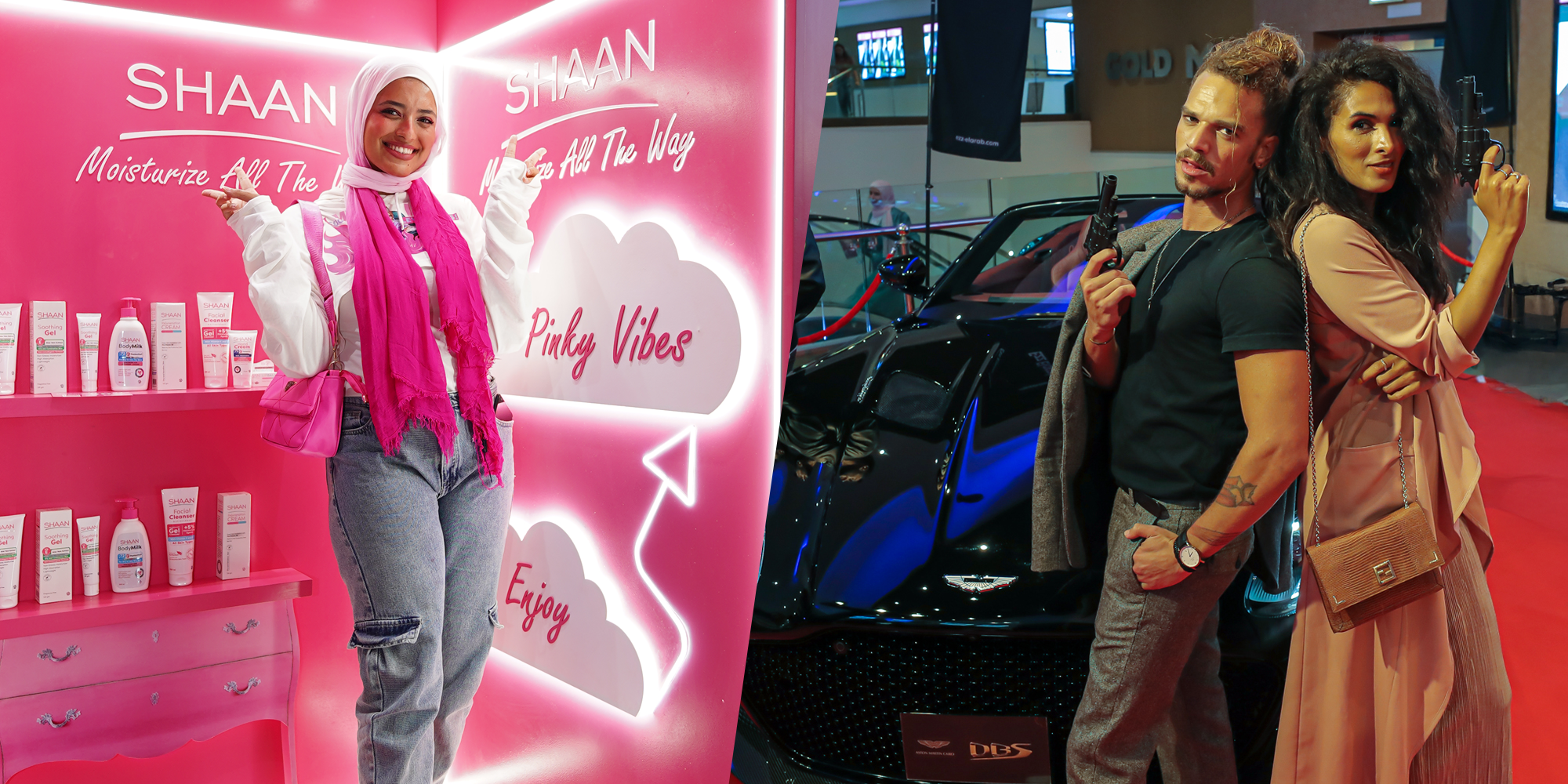
Because cinema is a physical destination, not just a media channel, brands can extend that intentionality into the environment itself. The foyer becomes where brands can extend that consideration into physical experiences. Sampling programs that align with film themes. Branded popcorn buckets that audiences take home as mementos. Product displays and installations that create photo moments. They’re extensions of the curated experience, proof that a brand understands the event nature of cinema.
This doesn’t require reaching everyone. In fact, it works better when it doesn’t. The power is in the specificity. A campaign might start with a niche audience segment, around a single film, in select locations. But when it’s done well, when it moves from screen to foyer to post-experience recall, it lives beyond that initial activation. It gets talked about. It creates a reference point.
The luxury of cinema is that you can be selective. You’re not trying to please every demographic in every context. You’re curating for an affluent, experience-seeking audience that has already chosen quality over convenience by simply showing up.
The Multiplier Effect of Cinema
Cinema delivers attention and impact. That foundation is proven. What makes the addition of curation so powerful is that you’re building on something that already works. You’re taking cinema’s natural advantages and amplifying them with strategic alignment.
When you combine cinema’s attention advantage with a curated brand approach spanning screen and foyer, you multiply the effect. The environment provides the focus. The curation adds layers of meaning. The physical touchpoints create lasting memory. Together, they create impact that reaches further and lasts longer.
The brands that win biggest in cinema aren’t just buying reach. They’re orchestrating moments. They’re treating cinema advertising as what it actually is: an event medium that rewards brands willing to go deeper than standard approaches.
The tools are already there. The film slate. The audience profiles. The on-screen attention. The foyer space. The only question is whether brands are ready to think like curators.
The thinking in this piece is informed by Schmitt’s Curated Experience Marketing framework, which positions experiences as intentional, designed events.
Related Articles:
The Science of Connection: Why Cinema Advertising Delivers Unmatched Brand Impact